Recycling and Sustainability at Gardening Enfield
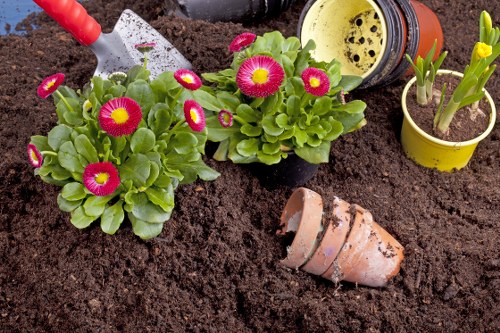 Gardening Enfield is committed to creating an eco-friendly waste disposal area and a practical, sustainable rubbish gardening area that supports local biodiversity and reduces landfill. Our approach combines on-site composting, careful sorting of garden discard, and reuse programmes to keep valuable organic matter in the local circular economy. We describe how our green infrastructure, partnerships and transport choices work together to reduce carbon, improve soils and increase recycling across the borough. This page outlines targets, local facilities, and the everyday recycling activities we promote in the community.
We have set a clear recycling percentage target to drive progress: Gardening Enfield aims to reach 65% recycling of garden and related waste by 2030. That target covers green waste, woody material, soil-bearing loads and associated packaging that comes from gardening projects. To get there we are increasing capacity in our sorting bays, improving signage in the sustainable rubbish gardening area, and running regular training for crews and volunteers so separation at source is easier and contamination is reduced.
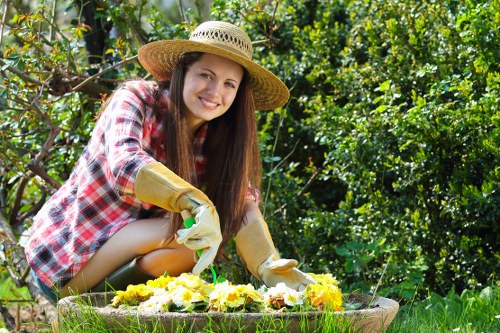 Our operational model links local collection routes with nearby transfer hubs and regional processing facilities. We coordinate with borough transfer stations and adjacent North London transfer facilities to ensure green waste is taken to the most suitable plant: composting facilities for food and green organics, chipping and mulching plants for woody material, and designated depots for soil remediation. The borough's approach to waste separation — kerbside green bins, dry recycling, glass and residual waste streams — is mirrored at our sites so that gardeners see a consistent separation message no matter where they drop off material.
How the eco-friendly waste disposal area works
The heart of our operations is a well-designed eco-friendly waste disposal area that supports both residents and professional gardeners. We operate clear bays for heaps of green waste, separate bays for wood and timber (for chipping), and quarantine areas for soil and turf that may need testing. Composting bays are monitored by moisture and temperature checks so we can produce stable, high-quality compost suitable for local allotments and community plots. Our sustainable rubbish gardening area also includes secure storage for reusable tools and a small resale corner for salvaged pots and planters.
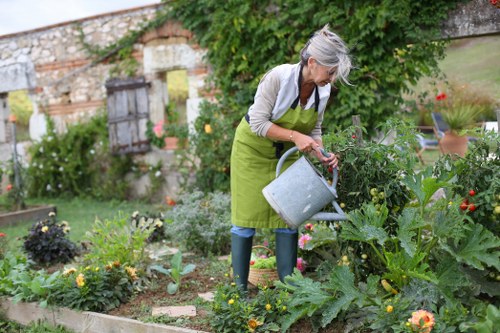 Partnerships are central to our sustainability goals. We work with local charities and community organisations to redirect usable items: pots, tools, good-quality topsoil and mature plants that can be rehomed rather than disposed of. By collaborating with reuse charities and social enterprises we increase the life of garden materials and support vulnerable communities with affordable gardening resources. These alliances complement the borough's separation strategy and help convert potential waste into social value.
To make the system practical for everyone we publish plain-language guidance on acceptable material types and seasonal changes to collections. We also operate a reprocessing chain so that wood chips become mulch for community beds, leaves and hedge cuttings become leaf mould or compost, and mixed green waste is routed to aerobic windrow or in-vessel composting depending on contamination levels. Our staff and volunteer training emphasises consistent sorting to protect final product quality.
Transport, low-carbon vans and local recycling activities
Logistics matter. Gardening Enfield has invested in a fleet of low-carbon vans and hybrid collection vehicles to reduce emissions from site-to-site transfers and neighbourhood pickups. Our route optimisation software reduces mileage and idling time, and we are phasing in plug-in electric vans for short urban runs. These low-emission vehicles are paired with manual and small-mechanised handling systems so we can move materials efficiently without heavy diesel loads.
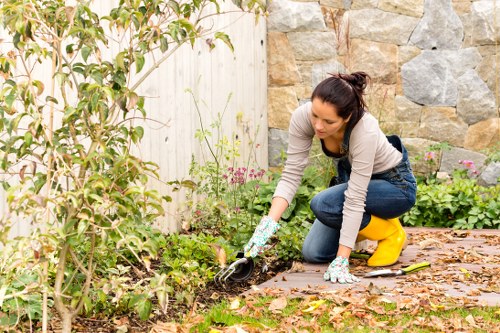 In practical terms, residents and contractors will see a range of recycling activity across the borough: kerbside green bin segregation, dedicated drop-off at transfer stations for large volumes, scheduled chipping days for bulky woody waste, and community composting hubs for small loads. We actively promote compost exchange schemes, soil improvement projects, and mulching programmes that reuse by-products within the network of parks, school gardens and allotments across Enfield. These activities reduce the amount of organic and inert material entering landfill or mixed waste streams.
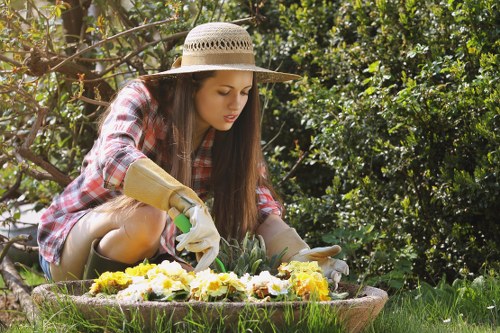 Our recommended recycling actions include using the borough separation system properly, bringing larger garden loads to designated transfer points, and supporting charity re-use channels for items that still have value. We emphasise the role of local volunteers and community groups in running swap events and plant rescue efforts, and we continue to expand collaborative programmes so that the sustainable rubbish gardening area becomes a hub for both environmental and social good. Together, these steps will help us hit — and exceed — our recycling targets while lowering the carbon intensity of garden waste handling.
- Garden waste separation: keep soil, green cuttings and woody material separate at the point of drop-off.
- Wood chipping and mulching: reuse timber and branches as mulch for local beds.
- Composting: convert green waste to nutrient-rich compost for community plots.
- Tool and pot reuse: partner donations to charities and community allotments.
- Low-carbon transport: electric and hybrid vans for collections and transfers.
By combining clear targets, strong partnerships with charities, practical site design and a shift to low-carbon vans, Gardening Enfield is building a resilient model for garden waste recycling and sustainability. Our network of eco-friendly waste disposal areas and sustainable rubbish gardening areas aims to be a showcase for borough-level action, reducing emissions, improving soils and keeping valuable organic matter circulating within the local green economy.