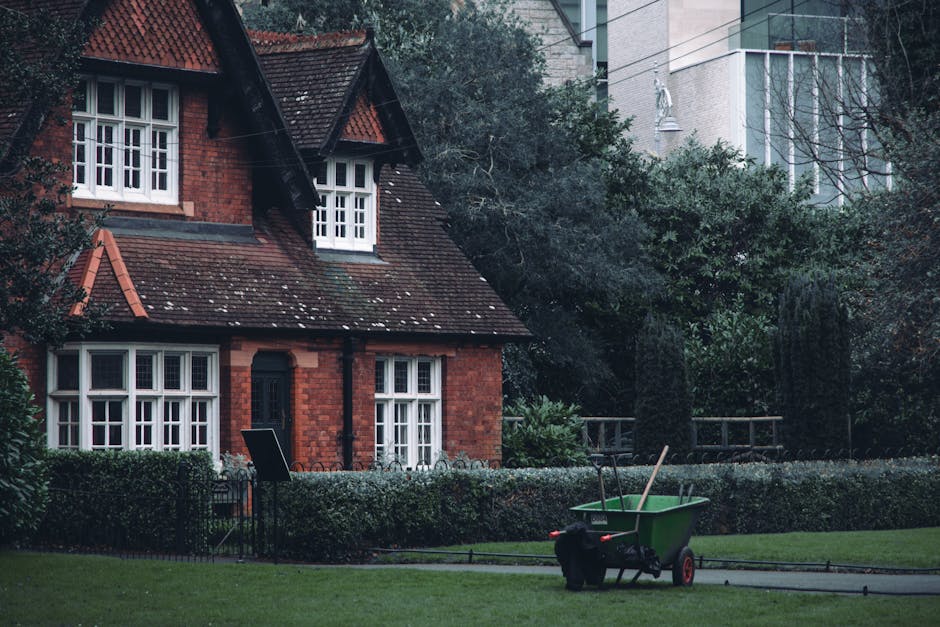
Garden maintenance near Forty Hall Enfield expert gardeners
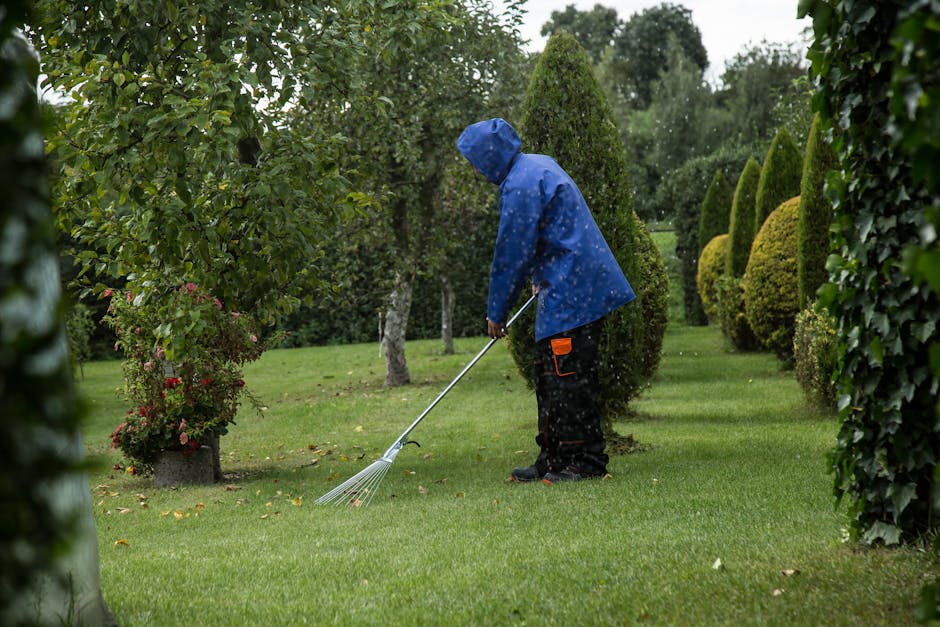
If you live near Forty Hall in Enfield, you already know the garden is never really "done". One week it looks tidy, the next it's weeds in the borders, hedges leaning outward, and grass growing a bit too fast after a wet spell. That is exactly where garden maintenance near Forty Hall Enfield expert gardeners becomes genuinely useful: not as a luxury, but as the steady, sensible way to keep an outdoor space healthy, attractive, and manageable through the seasons.
Whether you want a neat front garden, a more usable family space, or a careful hand for a larger, established plot, the right maintenance approach saves time and avoids the kind of small problems that quietly turn into bigger ones. Below, you'll find a practical guide to what professional garden maintenance involves, how it works, what to expect, and how to judge quality without getting lost in jargon.
Quick expert summary: good garden maintenance is less about "doing everything" and more about doing the right work at the right time. Regular visits, proper pruning, weed control, lawn care, tidy edging, and seasonal attention usually deliver better results than occasional rescue jobs. Simple enough, really - but easy to get wrong if you wait too long.
Why Garden maintenance near Forty Hall Enfield expert gardeners Matters
Forty Hall sits in an area where gardens often have a bit of character: mature planting, mixed boundary lines, trees that cast changing shade, and lawns that can look either lush or tired depending on the weather. That makes maintenance more than a cosmetic job. It becomes part of protecting the garden's structure.
A neglected garden rarely fails all at once. It tends to slip in stages. Borders fill with self-seeded plants, lawn edges blur, shrubs become leggy, and then you're suddenly facing a job that feels larger than it should. Expert gardeners help prevent that slow drift. They keep things balanced, notice problems early, and understand how to preserve the garden's best features rather than stripping everything back and starting over. To be fair, that judgment is often the difference between a nice garden and a very tired one.
There is also a practical local angle. Gardens near wooded or older green spaces often face heavier leaf fall, moss build-up, shade-related lawn issues, and more competition from vigorous plants. A maintenance plan that suits a sunny suburban patch may not suit a more sheltered Enfield garden at all. That is why local experience matters. It's not just gardening, it's gardening with context.
Why this matters to you: consistent maintenance protects curb appeal, supports plant health, improves usability, and reduces the chances of costly restoration later on.
How Garden maintenance near Forty Hall Enfield expert gardeners Works
In practice, garden maintenance is usually built around a schedule. Some gardens need weekly or fortnightly visits in the growing season. Others only need a lighter monthly touch with heavier seasonal work in spring and autumn. A good gardener does not force every garden into the same template. That would be a bit daft, honestly.
Most maintenance visits follow a familiar structure:
- Initial assessment: the gardener looks at lawn condition, borders, shrubs, hedges, paths, drainage, and any immediate issues.
- Priority setting: urgent tasks come first, such as safety hazards, excessive overgrowth, or dead material affecting healthy growth.
- Routine care: mowing, edging, weeding, deadheading, pruning, and tidying are completed according to season and plant type.
- Waste handling: cuttings, clippings, and prunings are removed or arranged for recycling where appropriate.
- Ongoing adjustment: if the garden is responding badly to shade, drought, compaction, or fast growth, the plan is adjusted.
Expert gardeners also think in terms of plant behaviour. A shrub that flowers on old wood should not be cut at the wrong time. A mossy lawn needs a different response than a patchy lawn with compacted soil. And a hedge near a path requires a very different cut from an ornamental screen at the back fence. Small things, yes - but they matter a lot.
If you want a broader view of what a professional team can cover, the services overview is a useful place to understand the full range of maintenance and garden care support available.
Key Benefits and Practical Advantages
The strongest benefit of regular garden maintenance is simple: your garden becomes easier to live with. Not just prettier, easier. That includes easier mowing, easier access, fewer trip hazards, and far less weekend catching-up.
Here are the main advantages people notice quickly:
- Better plant health: regular pruning, deadheading, and feeding support stronger growth and better flowering.
- Improved presentation: tidy edges, trimmed hedges, and clean borders immediately make the space look cared for.
- Less long-term cost: routine work usually prevents expensive remedial jobs later on.
- More usable space: paths, patios, and seating areas stay accessible instead of becoming cluttered or overrun.
- Seasonal resilience: gardens cope better with heat, heavy rain, frost, and wind when they're maintained properly.
- Peace of mind: you are not spending every free Saturday trying to catch up with a garden that has got ahead of you.
There is another benefit people often overlook: confidence. A well-maintained garden tends to invite use. You are more likely to sit outside with a tea in the morning, or let children play safely, or simply open the back door and feel pleased rather than guilty. That shift matters.
For readers comparing providers, it may help to look at pricing and quotes early in the process so you can match the service level to your garden's actual needs. A clear quote should explain the work, the frequency, and any extra charges in plain English.
Who This Is For and When It Makes Sense
Garden maintenance near Forty Hall Enfield expert gardeners is a sensible choice for a surprisingly wide range of people. It is not just for large properties or "fancy" gardens, if we're being honest. It often makes the most sense for people who value their outdoor space but don't have the time, tools, or physical capacity to keep on top of it properly.
This service is especially helpful if you:
- have a garden that grows fast and needs regular control;
- have mature planting that requires careful pruning rather than rough cutting;
- have a lawn that needs more than the occasional mow;
- have recently moved in and inherited an overgrown space;
- want to improve kerb appeal before selling or letting a property;
- prefer a professional standard rather than "good enough for now";
- find certain gardening tasks too time-consuming, awkward, or physically demanding.
It can also suit landlords and property managers who need outdoor spaces kept presentable between tenancies. In those cases, reliability matters just as much as horticultural skill.
A quick reality check: if your garden has not been touched for a long time, you may need an initial tidy-up before regular maintenance can really work. That is normal. Most good gardeners will say so upfront rather than pretending it can all be fixed in one neat visit.
Step-by-Step Guidance
If you are new to arranging garden maintenance, it helps to understand the process from start to finish. It keeps expectations clear and makes comparisons between providers much easier.
1. Start with a proper assessment
Walk through the garden and identify what is bothering you most. Is it the lawn? The hedges? The weeds? The whole lot? Be specific if you can. The more useful the brief, the better the outcome. A good gardener will usually ask questions about how you use the space and what matters most to you.
2. Separate routine work from one-off recovery work
This is a small but important distinction. Routine maintenance is for keeping the garden in good order. Recovery work is for bringing a neglected area back under control. If you mix the two up, expectations get muddy and costs can surprise you later. Not ideal.
3. Decide how often the garden needs attention
Frequency depends on growth rate, planting style, and how polished you want the space to look. Fast-growing hedges or lawns usually need more regular visits in spring and summer. Shadier, slower gardens may need less frequent attention but more care with moss and drainage.
4. Confirm what is included
Ask exactly which tasks are covered. For example, does maintenance include weeding borders, hedge trimming, deadheading, leaf clearance, lawn edging, and green waste removal? Or only some of these? Clear expectations avoid awkward conversations later.
5. Set a seasonal plan
Garden work changes through the year. Spring is about waking the garden up. Summer is about keeping it controlled and watered appropriately. Autumn often means clearing leaves and preparing beds. Winter is more about structure, pruning where suitable, and protecting vulnerable plants.
6. Review results after the first couple of visits
Honestly, this is where you learn the most. After two or three visits, you should be able to tell whether the gardener understands the site, works neatly, and notices detail. If the borders are being repeatedly missed or the lawn edges stay rough, say something early.
For first-time customers, a sensible next step is to check the team's about us page so you can better understand their approach, experience, and values before you book anything.
Expert Tips for Better Results
There are a few habits that consistently improve outcomes, and they're not complicated. They just take a bit of discipline.
- Keep pathways clear: even the nicest planting looks messy if the access routes are blocked by clippings or pots.
- Prune with a reason: cut to shape, improve airflow, remove deadwood, or encourage growth. Don't trim just because the plant "looks a bit odd" today.
- Leave a margin around lawns: edging makes a bigger visual difference than many people expect.
- Match the schedule to growth: a warm wet spell can change everything in a fortnight.
- Ask for green waste handling details: if removal or recycling matters to you, clarify this in advance.
- Watch the soil, not only the leaves: compacted, dry, or waterlogged soil often tells the real story.
One practical tip from experience: if you have mixed borders, take photos before the season starts. It sounds a little basic, but it helps you and the gardener see what has changed, what has improved, and what needs adjusting. A quick phone photo in early April can save a surprising amount of guesswork later.
Where waste and sustainability are important, it can also help to review a provider's recycling and sustainability approach. It is a good sign when green waste is handled thoughtfully rather than bundled off without explanation.
Common Mistakes to Avoid
Most garden problems are not dramatic. They are the result of small oversights repeated over time. The good news? Most of them are avoidable.
- Waiting until the garden is overwhelming: by then, maintenance becomes recovery, and that is a different job.
- Using one-off cuts as a long-term plan: heavy hacking can leave plants stressed and untidy.
- Ignoring lawn issues: moss, thatch, compaction, and poor drainage rarely fix themselves.
- Pruning at the wrong time: some shrubs flower on old growth, so timing matters.
- Not defining the standard: "tidy the garden" can mean three completely different things to three different people.
- Skipping seasonal maintenance: autumn leaf clearance or spring cutback often prevents bigger problems later.
A common mistake near older properties is assuming every shrub or tree should be "neatened" in the same way. Not really. Some plants want shaping, some want selective thinning, and some should barely be touched beyond the right structural prune. That's where experience earns its keep.
Another one: people sometimes focus only on the visible bits and forget the hidden pressure points - drainage channels, fence lines, root competition, or narrow side returns. Those areas can quietly ruin the overall look if they are ignored.
Tools, Resources and Recommendations
A professional gardener brings the right kit, but it helps to know what that actually includes and why it matters. Good tools do not replace skill, yet poor tools make good work harder than it should be.
| Area of work | Typical tools or methods | Why it matters |
|---|---|---|
| Lawn care | Mower, edging tools, rake, scarifier where needed | Keeps turf neat, healthy, and easier to maintain |
| Pruning and trimming | Secateurs, loppers, hedge trimmers, pruning saws | Allows precise cuts that suit the plant |
| Weed control | Hand weeding, hoeing, mulching, careful spot treatment if appropriate | Reduces competition without damaging nearby plants |
| Leaf and waste management | Rakes, collection sacks, wheelbarrows, waste transport | Prevents smothering, slipping hazards, and clutter |
| Border care | Spades, forks, trowels, soil improvers | Supports planting, structure, and long-term soil health |
For the homeowner, a few basic items can help between visits: a sturdy pair of gloves, bypass secateurs for small stems, a watering can or hose, and a simple notebook or phone note for observations. Nothing fancy. The goal is to notice changes early, not to become your own full-time groundskeeper.
If you are comparing service quality, services overview can help you understand which tasks are usually covered and where extra care may be useful for your garden type. And for any practical or booking-related questions, the contact us page is the most direct route to ask before making assumptions.
Law, Compliance, Standards, or Best Practice
Garden maintenance is not usually a heavily regulated service in the way some trades are, but there are still sensible standards to expect. In the UK, reputable gardeners should work safely, respect property boundaries, and handle waste responsibly. If machinery is being used, safe operation becomes especially important. No one wants a quick tidy-up to turn into an avoidable mishap.
Good practice usually includes:
- clear communication about what work will be done;
- appropriate public liability insurance;
- care around paths, steps, and trip hazards;
- safe use of ladders and powered tools;
- responsible disposal or recycling of green waste;
- respect for neighbouring properties, fences, and shared access areas.
It is also sensible to ask how a provider handles health and safety, particularly for larger gardens or work involving height, sharp tools, or heavy lifting. A straightforward explanation is a good sign. If it feels vague, that is worth noticing.
You can review a provider's health and safety policy and insurance and safety information to see how they approach risk, responsibility, and site care. Those pages tell you a lot about professionalism, even before the first visit.
For payment-related reassurance, it may also help to read the payment and security information, especially if you prefer clarity around how invoices and transactions are handled.
Options, Methods, or Comparison Table
Not every garden needs the same kind of attention. Some need structured, regular care. Others only need periodic help. Here's a simple comparison that can make the decision easier.
| Approach | Best for | Advantages | Trade-offs |
|---|---|---|---|
| One-off tidy-up | Overgrown gardens or pre-event preparation | Fast visible improvement, good reset point | Needs follow-up to stay under control |
| Regular maintenance visits | Most lived-in gardens | Consistent appearance, fewer problems, easier planning | Requires ongoing budget and scheduling |
| Seasonal maintenance | Lower-growth spaces or smaller gardens | Good balance of cost and care, sensible for modest plots | May not suit fast-growing or high-visibility gardens |
| Full care and development support | Established gardens needing both maintenance and refinement | More strategic, more tailored to long-term improvement | Usually needs more discussion and planning |
If you are unsure which option fits, think about your garden across a whole month, not just a sunny afternoon. Does it still look presentable after rain? Are the edges holding? Are weeds returning fast? Those answers usually point you toward the right level of service.
Case Study or Real-World Example
Here's a realistic example. A homeowner near Forty Hall had a medium-sized rear garden that looked reasonable from the kitchen window but felt untidy once you stepped outside. The lawn had uneven edges, the back border had become crowded, and a hedge along one side was starting to lean into the path. Nothing catastrophic, just the sort of thing that quietly drags the whole space down.
The first visit focused on clearing, edging, and assessing the bigger issues. The hedge was trimmed back carefully rather than cut hard. The border was weeded and lightly reshaped. The lawn was brought into order, but not overworked. After that, the garden moved onto a regular maintenance rhythm with seasonal adjustments.
What changed most was not just appearance. The owner started using the garden more often because it felt manageable again. Tea outside in the morning. A clear path to the shed. No more apologising for the weeds before guests arrived. That is the real result most people want, even if they do not say it out loud.
The key lesson? A good maintenance plan does not need to make the garden look overdone. It should make it feel easy, balanced, and looked after.
Practical Checklist
Use this checklist before booking or during your first maintenance review.
- Have I listed the main issues in order of priority?
- Do I know whether I need one-off tidying or regular maintenance?
- Has the scope of work been clearly explained?
- Do I understand what is included in the quote?
- Have I asked how often the garden should be maintained?
- Do I need hedge trimming, lawn care, border work, or waste removal?
- Have I checked how the gardener handles health and safety?
- Do I know what happens to green waste and clippings?
- Is the provider clear about payment terms and booking steps?
- Have I thought about seasonal changes and follow-up visits?
If you want a simple place to start, the pricing and quotes page is a useful reference point for understanding how to plan the job properly and avoid guesswork.
Best-practice reminder: the most reliable maintenance plans are the ones that fit the garden you actually have, not the garden you wish you had after one magical afternoon. That's the truth of it.
Conclusion
Choosing garden maintenance near Forty Hall Enfield expert gardeners is really about making your outdoor space easier to enjoy. A well-maintained garden does not happen by accident. It comes from regular care, good timing, careful pruning, and someone who can see the difference between a quick tidy and proper long-term upkeep.
For many homeowners, the best outcome is not a perfectly manicured display. It is a garden that feels calm, usable, and healthy through the seasons. A space where the lawn is trimmed, the borders make sense, and the whole place feels like it belongs to the home again. That kind of steadiness is worth a lot.
If you are ready to explore your options, speak with a local team, ask the practical questions, and compare what is actually included. Trust the people who explain things clearly, not the ones who make everything sound mysterious. Gardens rarely need mystery. They need attention, rhythm, and a bit of patience.
Get a free quote today and see how much you can save.
For a final bit of reassurance, you can also review the team's terms and conditions and privacy policy so you know what to expect before you move ahead. Small detail, yes - but it helps everything feel clearer.
Frequently Asked Questions
What does garden maintenance usually include?
It often includes mowing, edging, weeding, pruning, hedge trimming, deadheading, leaf clearance, and general tidying. The exact list varies, so always check the scope before booking.
How often should a garden near Forty Hall be maintained?
That depends on the garden's size, planting style, and growth rate. Many gardens benefit from regular visits during spring and summer, with lighter seasonal work in autumn and winter.
Is one-off garden tidying worth it?
Yes, especially if the garden has become overgrown or you want a reset before starting regular care. It is often the easiest way to get control back quickly.
What is the difference between gardening and garden maintenance?
Garden maintenance is usually about keeping an existing garden in good condition. Gardening can also include planting design, development, and larger improvement work.
Can expert gardeners help with overgrown hedges and shrubs?
Yes, although the best method depends on the plant type and how neglected it has become. Careful pruning is usually better than hard cutting unless the situation really calls for it.
Do I need to be home during the visit?
Not always. Many people arrange access in advance and are happy for the work to be completed while they are out. That said, it helps to agree the details first.
How do I know if a quote is fair?
A fair quote should explain what is included, how often visits will happen, whether waste removal is included, and what extra work might cost. Clear wording matters more than a quick headline number.
Should I ask about insurance?
Yes, absolutely. A reputable provider should be able to explain their insurance and safety arrangements clearly. That is a normal and sensible question, not an awkward one.
What should I do before the first maintenance visit?
Clear access paths, remove fragile items if needed, and make a short note of priorities. If there are locked gates, pets, or special instructions, mention them early.
Can green waste be recycled or removed?
Often yes, depending on the provider and the job type. It is a good idea to ask how clippings and prunings are handled, especially if sustainability matters to you.
What if I only want help with the lawn or borders?
That is completely normal. Many people prefer targeted maintenance rather than a full-service arrangement. Just be clear about the areas you want treated.
How do I choose the right local gardener?
Look for clear communication, sensible expectations, relevant experience, and a straightforward approach to pricing, safety, and scheduling. A good gardener should make the process feel easier, not more confusing.
If you would like to understand more about the people behind the service, the about us page is a good place to start, and the contact us page is there when you are ready to ask a few practical questions.
One last thought: the best garden maintenance feels almost invisible when it is working well. The garden simply starts behaving itself. And that, in the end, is a very pleasant thing.