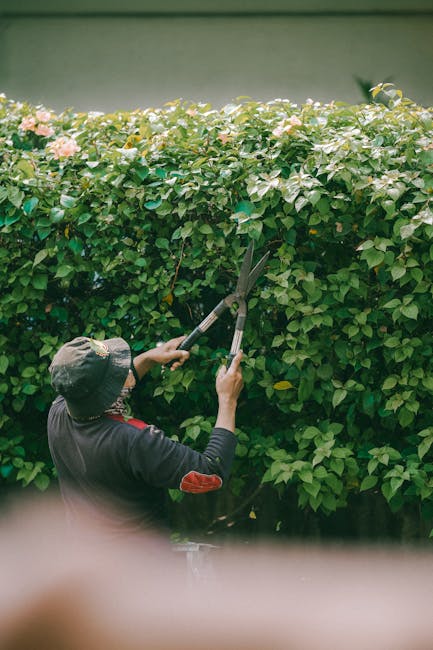
Common problems with garden maintenance on Enfield estates

If you manage, live on, or work around an Enfield estate, you will know that garden maintenance can look simple from a distance and then quietly become a headache. One week the grass is fine, the next it is too long after a wet spell. Hedges grow faster than expected. Shared paths get clogged with clippings. And if one corner is missed, the whole place can start to look untidy very quickly.
This guide breaks down the common problems with garden maintenance on Enfield estates in plain English. We will look at why these issues matter, how they usually happen, what good maintenance should actually look like, and how to avoid the mistakes that waste time and money. There is also a checklist, a practical comparison table, and a realistic example from an estate-style setting. Nothing flashy. Just the sort of detail that helps you make better decisions.
In our experience, the trickiest part is rarely the mowing itself. It is the coordination, access, timing, and consistency around it. That is where most estate gardens either stay healthy or slowly slide into chaos. Let's face it, gardens do not wait politely for a convenient slot.
Why Common problems with garden maintenance on Enfield estates Matters
Estate gardens are not like a single front lawn or a private back garden. They usually have shared spaces, repeated planting, higher footfall, and a lot more eyes on them. A missed cut or poor clean-up is not just a cosmetic issue. It can affect safety, resident satisfaction, access routes, and how well the whole estate feels cared for.
One overgrown hedge can make a walkway feel narrow. One missed mow can trigger complaints from residents who are already noticing litter, weeds, or uneven edges. If maintenance is inconsistent, small problems compound. Damp patches turn muddy. Weeds seed themselves into borders. Shrubs become woody and awkward to manage. Then suddenly the job is no longer routine garden care; it is restoration work.
That matters because restoration work is more disruptive and often more expensive. It also tends to need more time, more labour, and sometimes additional services such as garden clearance or tree lopping and removal when growth has been left too long. The best estate maintenance plans prevent that drift in the first place.
There is also the human side. Residents notice when the communal garden looks tidy after rain, when the edges are clean, and when the hedge line feels safe rather than scruffy. That may sound small, but on a lived-in estate these details shape the everyday experience of the place. And people do talk about it, of course they do.
How Common problems with garden maintenance on Enfield estates Works
To understand the problems, it helps to understand how estate maintenance usually works. Most communal or estate gardens need a repeating schedule of mowing, edging, hedge trimming, weeding, pruning, leaf collection, litter removal, and occasional seasonal work. In some estates, that is done by one contractor. In others, caretaking staff, residents' associations, housing teams, or managing agents coordinate different pieces of the job.
The trouble starts when the system is not designed around the site's real needs. For example, a lawn may need fortnightly attention in spring but monthly visits are not enough. A hedge bordering a pathway may need trimming before it becomes a visibility issue. Heavy shade, poor drainage, pet traffic, and compacted soil all change how a garden behaves. A maintenance plan that ignores those factors becomes guesswork.
On Enfield estates, there is often a mix of older planting, shared access points, brick boundaries, small lawns, and awkward corners. Those features mean maintenance has to be both methodical and flexible. You need regular work for consistency, but you also need a sharp eye for site-specific issues. In other words, a schedule is useful, but a good pair of eyes is just as important.
A well-run service often combines routine tasks with periodic checks. That might mean lawn cuts, hedge shaping, border weeding, seasonal tidy-ups, and occasional landscaping adjustments where the planting scheme is not holding up. If the site has decking, paths, or hard edges, care has to extend beyond the planting beds too. A neat garden with slippery moss on a walkway is still a problem. A small one, but still a problem.
Key Benefits and Practical Advantages
Getting estate garden maintenance right is not just about looks. The practical benefits are what make the difference over time.
- Safer shared spaces: Regular cutting and trimming reduce the chance of blocked paths, low visibility, and trip hazards caused by overgrowth.
- Lower long-term cost: Small, frequent jobs are usually easier to manage than major cut-backs, clearances, or repairs after neglect.
- Better curb appeal: A maintained estate feels more welcoming, more cared for, and generally calmer to walk through.
- Healthier planting: The right maintenance rhythm helps lawns, hedges, and shrubs stay stronger and more balanced.
- Fewer complaints: Residents are less likely to raise issues when the site looks consistent and tidy from week to week.
- Improved contractor efficiency: A clear routine helps teams work faster because they are not constantly catching up.
There is a quieter benefit too: confidence. When estate managers know the maintenance plan is under control, they can focus on other things instead of dealing with repeated complaints about messy grass or untrimmed boundaries. That peace of mind is worth something, even if it does not show up on a spreadsheet.
If the estate needs broader improvement rather than simple upkeep, it can make sense to review the wider layout through landscape gardening or landscaping. Sometimes the real fix is not more effort. It is a smarter design.
Who This Is For and When It Makes Sense
This topic is relevant if you are a managing agent, housing officer, resident committee member, freeholder, caretaker, landlord, or contractor responsible for communal outdoor spaces. It also applies if you simply live on an estate and keep noticing the same garden issues appearing again and again.
It makes sense to review garden maintenance when:
- grass keeps becoming patchy or too long between visits
- hedges are blocking light, views, or footpaths
- weeds are taking over borders and paving edges
- the same complaints keep coming back from residents
- maintenance visits feel reactive rather than planned
- you suspect the site needs more than mowing, such as clearance or reshaping
It also makes sense before seasonal pressure points. Spring growth can explode faster than expected. Autumn leaves build up and create slip risks. Winter exposes drainage and drainage issues, which are easy to miss in dry weather. A lot of estate problems only become visible when the weather changes. Which is inconvenient, obviously.
If the only visible task is grass cutting, it is worth checking whether the estate is actually missing regular lawn mowing, hedge work, or border care underneath the surface. Many maintenance issues hide in plain sight until the schedule slips.
Step-by-Step Guidance
Here is a practical way to tackle the most common estate maintenance issues without overcomplicating it.
- Walk the site properly. Start with a slow inspection, not a rushed glance. Note any overgrowth, blocked edges, poor drainage, damage, or awkward access points.
- Separate routine tasks from problem jobs. Regular mowing and weeding are one thing. A neglected border, dead shrub, or unsafe tree branch may need specialist attention.
- Check access and timing. Can the team reach all areas without disturbing residents, parked cars, bins, or deliveries?
- Set the maintenance frequency based on growth. Some areas need weekly attention in peak season. Others can be handled less often. One size rarely fits all.
- Decide what needs a tidy-up versus a reset. If a space has become too far gone, a reset may require garden clearance before standard maintenance can work again.
- Assign responsibilities clearly. Someone should know who checks completion, who reports issues, and who signs off the work.
- Review the result after the first few visits. A good plan improves with feedback. If the same corner keeps being missed, change the approach.
A small but useful tip: walk the estate after rain if you can. Wet conditions reveal problems that dry weather hides. A muddy entrance, a pooling area, or a slippery strip beside a path will tell you a lot. Not glamorous, but very helpful.
Expert Tips for Better Results
If you want maintenance to stay under control, the goal is not simply to work harder. It is to work in the right order and at the right intervals.
- Keep borders defined. Clear edges make the whole site look tidier and reduce the feeling of neglect, even when growth is modest.
- Do not let hedge trimming drift. Hedges become harder to manage once they are overgrown, and they can quickly dominate paths, windows, and communal areas. A timely service like hedge trimming keeps them in shape.
- Build seasonal jobs into the plan. Leaf collection, cut-back work, and shaping are not extras. They are part of a realistic maintenance cycle.
- Spot access problems early. Narrow side passages, locked gates, and parked vehicles can turn a simple job into a faff. Better to sort that before the crew arrives.
- Use the right service for the right issue. Maintenance, clearance, landscaping, and tree work are related, but not interchangeable.
- Leave space for judgement. A good gardener knows when to cut, when to leave, and when a plant is being overworked.
One thing we see quite often is estates trying to solve a maintenance issue with the cheapest possible recurring visit, even when the site needs more thoughtful work. That is a false economy. The garden may look okay for a week or two, then everything starts sliding again. A slightly better plan usually saves a lot of frustration later.
Common Mistakes to Avoid
Most estate garden problems are not mysterious. They are usually the result of a few avoidable mistakes repeated over time.
- Leaving maintenance too long between visits. Once grass, weeds, or hedges get ahead of the schedule, the job becomes harder and less tidy.
- Ignoring the estate as a whole. Focusing only on visible green space while forgetting pathways, edges, and access routes creates an uneven result.
- Using a reactive rather than preventative approach. Waiting for complaints before acting means the garden is always playing catch-up.
- Failing to record recurring issues. If the same wet patch, broken edge, or overgrown shrub keeps returning, there is probably a deeper cause.
- Overlooking resident use. A lawn that looks neat may still be failing if people keep cutting across it, trampling roots, or blocking access.
- Choosing the wrong scope of work. Sometimes what looks like a maintenance issue is actually a layout issue, a drainage issue, or a planting issue.
There is also the classic mistake of assuming one successful visit means the plan is sorted. It rarely is. Estate gardens need rhythm. Skip the rhythm, and the site notices. Usually quite fast.
Tools, Resources and Recommendations
You do not need an enormous toolkit to maintain an estate properly, but you do need consistency, the right equipment, and a sensible process. The basics usually include mowers, trimmers, shears, edging tools, rakes, leaf collectors, and safe access gear. For larger or more complex sites, teams may also need clearance equipment, stump or branch management tools, and waste handling arrangements.
From a planning point of view, these resources matter most:
- A site map or maintenance plan: Helps track which areas get mown, trimmed, cleared, or checked each visit.
- A seasonal schedule: Keeps hedge work, lawn care, and clearance tasks from being forgotten.
- A handover log: Useful when multiple people manage the same estate and tasks can easily be missed.
- Photo records: Simple before-and-after photos can help identify recurring problem spots.
- Waste handling and recycling plan: Green waste should be handled responsibly, especially on bigger sites. If sustainability matters to your estate, see recycling and sustainability.
Sometimes the smartest resource is a realistic service scope. If the estate needs more than routine maintenance, it may be better to combine regular upkeep with a periodic review of planting, hard landscaping, or even decked areas. A garden that includes timber features, for example, may need attention beyond the beds and lawn. You can look at decking services if the space includes outdoor structures that affect how the garden is used.
If you are comparing service options or trying to plan a budget, it can help to review services overview and pricing and quotes so expectations are clear from the start. That does not mean every site will cost the same, of course. It simply helps avoid awkward surprises.
Law, Compliance, Standards, or Best Practice
Garden maintenance on estates is not usually about heavy regulation in the way some trades are, but there are still important standards and duties to think about. Safety, access, waste handling, and contractor competence matter a great deal on communal sites. If work involves ladders, power tools, tree operations, or moving debris, the team should follow appropriate health and safety procedures and use suitable equipment.
For estate managers, good practice usually means:
- making sure contractors are appropriately insured
- checking that work methods are safe for residents and staff
- keeping shared paths clear where possible
- handling waste responsibly
- avoiding unnecessary disturbance during busy times of day
- documenting issues that could affect safety or access
If you are assessing a contractor, it is sensible to ask about insurance, working practices, and how they handle risk on shared sites. A trustworthy provider should not sound vague about any of that. If they do, that is a bit of a red flag. You can also review insurance and safety and health and safety policy for a clearer sense of how a responsible service frames those issues.
There is also a fairness element. On a shared estate, maintenance should be planned in a way that respects residents, avoids blocked access, and keeps disruption low. The best practice is often the least dramatic one: clear communication, sensible timing, and work that actually finishes cleanly.
Options, Methods, or Comparison Table
Different estate problems need different methods. Here is a simple comparison to help you judge what fits best.
| Approach | Best for | Strengths | Limitations |
|---|---|---|---|
| Routine maintenance | Grass cutting, edging, light weeding, tidy-up work | Keeps the estate looking consistent and prevents small issues from spreading | Not enough if the site is already badly overgrown |
| Garden clearance | Neglected areas, accumulated waste, blocked corners, heavy overgrowth | Resets a space so regular maintenance can work again | More disruptive; not a substitute for ongoing upkeep |
| Landscaping or redesign | Poor layouts, awkward planting, repeated problem spots | Can fix the root cause rather than just treating symptoms | Requires planning, budget, and a broader view |
| Targeted specialist work | Hedges, trees, or specific structural features | More precise for higher-risk or more technical tasks | Needs the right expertise and scheduling |
As a rule of thumb, if the estate is simply getting messy, routine maintenance may be enough. If the space has become cluttered, choked, or unsafe, clearance or redesign may be the better route. And if trees or tall hedging are involved, a specialist service is usually the safer call. Simple enough, but easy to overlook when everyone is rushing.
Case Study or Real-World Example
Picture a typical estate in Enfield with a central lawn, a few shrub borders, and narrow paths running between buildings. The complaints start slowly. First, the grass looks uneven after a missed visit. Then the hedge near the walkway begins to pinch the path. By the third week, weeds are poking through the border and a damp corner near the bins has turned muddy.
Nothing dramatic, just a steady slide. Residents begin mentioning it at different times. One person says it looks uncared for. Another says pushchairs are harder to manoeuvre past the hedge. Someone else notices the leaves have not been cleared near the entrance. The actual garden issue is not one thing; it is five small issues stacking up.
The fix is not to panic-cut everything. It is to reset the routine. The site gets a proper assessment, the hedge is trimmed back, the lawn is brought back into a regular cycle, the border is cleared, and the muddy corner is flagged for review. The next step might be a better drainage solution or a small design adjustment through landscape gardening. In some places, a revised layout is the thing that keeps the same issue from coming back every winter.
The noticeable change is not just visual. People stop complaining. The path feels easier to use. The space starts to look cared for again. And that is the real point, isn't it? Not perfection. Just a garden that works for the people using it.
Practical Checklist
Use this quick checklist when reviewing estate garden maintenance on an Enfield site.
- Grass cutting frequency matches the season and actual growth rate
- Hedges are trimmed before they block access or visibility
- Weeds are being removed before they spread into borders and paving
- Paths, corners, and entrances are included in the tidy-up
- Green waste is collected and disposed of responsibly
- Any dead, damaged, or unsafe growth is flagged early
- Recurring wet spots, mud, or bare patches are being reviewed
- Residents know when work is due and what it covers
- Contractors have the right access and site instructions
- The plan includes seasonal jobs, not just routine mowing
Quick takeaway: if you keep seeing the same issues, the maintenance plan is probably too light, too irregular, or too narrow in scope. That is usually the answer, even when it feels like a mystery.
Get a free quote today and see how much you can save.
Conclusion
The most common problems with garden maintenance on Enfield estates are rarely complicated. They are usually about timing, access, scope, and consistency. Miss those, and even a decent garden starts to feel neglected. Get them right, and the whole estate feels easier to live with.
If you remember only one thing, make it this: estate maintenance works best when it is planned around how people actually use the space, not just how it looks on paper. A good routine, a clear schedule, and the right level of service go a long way. The rest is detail, but detail matters here.
And honestly, that is what good garden care on estates is all about: steady attention, a bit of judgement, and the patience to keep things simple when simple is what works.
Frequently Asked Questions
What are the most common garden maintenance problems on Enfield estates?
The most common issues are overgrown grass, untidy hedges, weeds in borders and paths, poor access for maintenance teams, and inconsistent schedules. On shared estates, small misses tend to spread quickly.
Why do communal estate gardens get messy so quickly?
Because they have more foot traffic, shared use, and more exposure to weather than private gardens. A single missed visit can make the whole place look off, especially in spring and early summer.
How often should estate lawns be mown?
It depends on the season, weather, and growth rate. In active growing periods, lawns often need more frequent mowing than people expect. A fixed calendar is useful, but it should flex when growth picks up.
When is garden clearance better than regular maintenance?
Garden clearance is usually better when an area has become heavily overgrown, cluttered, or neglected. Once a space has drifted too far, routine upkeep alone may not be enough to bring it back into shape.
How do I know if an estate needs landscaping rather than just maintenance?
If the same problems keep coming back, such as muddy patches, awkward layouts, or planting that never seems to settle, the issue may be structural rather than routine. That is when landscaping or a redesign review may help.
What should a good estate maintenance plan include?
It should cover grass cutting, hedge trimming, weeding, seasonal tidy-ups, waste removal, access checks, and a clear schedule. It should also leave room for problem areas that need extra attention.
Are hedges a common issue on estates?
Yes. Hedges often grow into paths, obscure sightlines, and create a scruffy edge if they are not trimmed regularly. They can look neat one month and stubborn the next, which is part of the fun, apparently.
What safety issues should estate managers watch for?
Watch for blocked walkways, low visibility, slippery areas, unstable branches, and debris left behind after work. If larger or higher-risk work is involved, insurance and safe working methods matter a lot.
How can residents help with better garden maintenance?
Residents can report issues early, avoid blocking access routes, and respect maintenance times. On some estates, small cooperation from residents makes a surprisingly big difference to the final result.
What is the biggest mistake people make with estate garden upkeep?
The biggest mistake is waiting until the space looks bad before acting. Maintenance works best when it is preventative. Once overgrowth and complaints start building, the job becomes harder and more expensive.
How do I compare different garden maintenance options?
Compare the scope of work, frequency, handling of waste, safety approach, and whether the provider can cover routine care as well as more specialist jobs. It is also sensible to review services overview and pricing and quotes so expectations are realistic from the start.
Who should I contact if my estate needs regular garden care?
If you are assessing the next step, use the main site information, review service details, and make an enquiry through the appropriate company contact route. If you need to understand the business a little better first, about us is a sensible place to start.