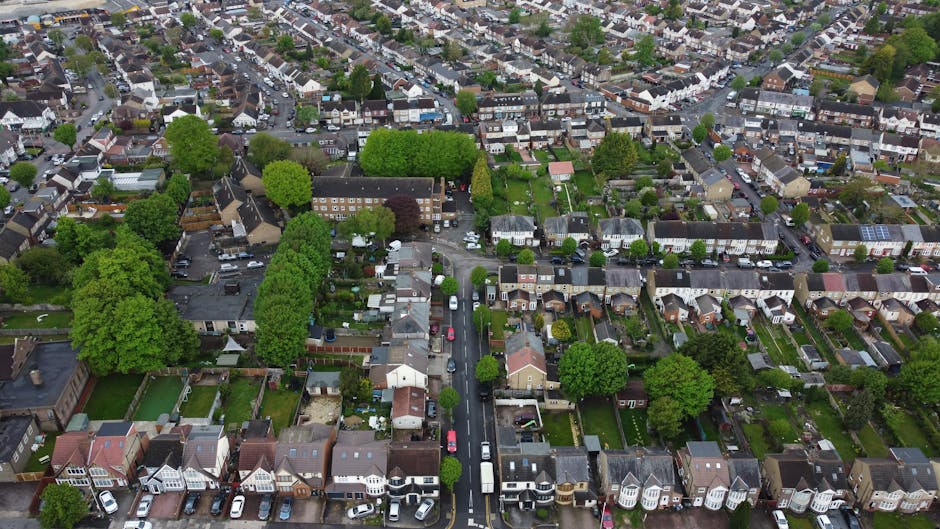
Best gardeners for small yards in Enfield Town EN2
Finding the best gardeners for small yards in Enfield Town EN2 is a bit different from hiring someone for a large back garden. In a compact space, every border, pot, path, and bit of sunlight matters. A good gardener does more than "tidy up"; they help you make the yard feel bigger, look sharper, and stay easier to manage week after week. And if your plot is awkwardly shaped, shaded by fences or neighbouring trees, or simply too busy for you to keep on top of, the right help can make a real difference.
This guide breaks down how to choose the right local gardener, what services matter most in small yards, what to avoid, and how to get better results without wasting time or money. Truth be told, small gardens can be the most rewarding ones to work on - if they're handled properly.
Table of Contents
- Why best gardeners for small yards in Enfield Town EN2 matters
- How best gardeners for small yards in Enfield Town EN2 works
- Key benefits and practical advantages
- Who this is for and when it makes sense
- Step-by-step guidance
- Expert tips for better results
- Common mistakes to avoid
- Tools, resources and recommendations
- Law, compliance, standards, or best practice
- Options, methods, or comparison table
- Case study or real-world example
- Practical checklist
- Conclusion
- Frequently asked questions
Why Best gardeners for small yards in Enfield Town EN2 Matters
Small yards are not "easy gardens". They can actually be more demanding than larger spaces because there is less room for error. A slightly overgrown shrub can make the whole yard feel cramped. A patch of poor drainage can dominate the space. A badly chosen planting scheme can block light and make the area feel gloomy by 3pm on a winter afternoon. Not ideal.
That is why choosing the best gardeners for small yards in Enfield Town EN2 matters. You want someone who understands scale, proportion, and maintenance. Someone who knows how to make a modest outdoor space work hard visually and practically. In Enfield Town, that usually means dealing with mixed soil conditions, semi-shaded plots, narrow access, and neighbours close by. Small details matter more here than in a sprawling garden.
For many homeowners, the goal is not a "show garden". It is a yard that feels calm, usable, and straightforward to maintain. A good gardener understands that. They will not overcomplicate the job with unnecessary planting or clumsy hard landscaping. Instead, they'll make sensible choices that suit the space, the light, and your actual routine.
Expert summary: In a small yard, the best gardener is not the one who does the most. It is the one who edits well, plans carefully, and leaves the space looking intentional rather than crowded.
If you are comparing local providers, it helps to look beyond price alone. Read what they offer on the services overview and check whether their approach seems suited to compact urban gardens. You can often tell quite quickly whether they understand small-space work or simply treat every garden the same. They really should not.
How Best gardeners for small yards in Enfield Town EN2 Works
The process usually starts with a walkthrough or an initial discussion. A skilled gardener will ask about the parts of the yard you use most, what frustrates you, and what you want the space to feel like. For a small yard, that conversation is more important than people sometimes realise. One misplaced path or the wrong shrub can change the whole layout.
From there, the gardener typically looks at five core things:
- Space and circulation: how you move through the yard without it feeling cluttered.
- Light and shade: where sun lands during the day and which plants will cope.
- Boundary lines: fences, walls, screening, and whether they make the yard feel boxed in.
- Maintenance level: how much time you realistically want to spend each month.
- Seasonal interest: whether the yard has something going on in spring, summer, autumn, and even winter.
Then comes the practical work. That may include pruning, border reshaping, turf or artificial lawn advice, container planting, raised beds, gravel features, jet washing, or a simple maintenance schedule. In small yards, less is often more. Not empty, not bare - just clear. There is a difference.
A good local gardener will also think about access. Narrow side paths, shared entryways, and limited storage are common in compact properties. Materials and tools need to be chosen with that in mind. If you want a clearer idea of how a service is structured, it can help to review the company's pricing and quotes information before you book.
Key Benefits and Practical Advantages
The right gardener can improve a small yard in ways that are immediately visible. It's not just about neat edges, though that helps. It is about making the whole area feel like it belongs to the house rather than being a forgotten corner outside.
- Better use of space: compact yards benefit from layouts that create room to breathe.
- Lower maintenance: well-chosen planting and simple structures reduce weekly effort.
- Improved appearance: pruning, shaping, and tidy finishes make a small area look carefully designed.
- Healthier plants: the right plant in the right spot survives better, simple as that.
- Less waste: experienced gardeners know how to reuse, compost, and dispose of green waste responsibly.
- Higher everyday enjoyment: when the yard feels good, you use it more often, even for a tea break by the door in early evening.
There is also a psychological benefit. Small gardens can feel busy or cluttered very quickly. A tidy, well-planned yard feels restful. You notice it when you step outside with a mug in your hand and the whole thing just works. No visual noise. No awkward corners shouting for attention.
If sustainability matters to you, look for gardeners who think about responsible disposal and material choices. A local provider's recycling and sustainability approach can be a good sign that they are not just making the place pretty; they are working responsibly too.
Who This Is For and When It Makes Sense
This kind of gardening support is ideal for homeowners, tenants with permission, landlords, and property managers who want a small outdoor area to look respectable without becoming a weekend chore. It is especially useful if the yard:
- is underused because it feels cramped or awkward
- has become too dense, scruffy, or patchy to manage easily
- needs regular maintenance rather than a one-off "big clean"
- has planting that looks fine in one season and messy in the next
- needs a redesign to make it more family-friendly or calmer to sit in
It also makes sense if you have mobility concerns or simply do not have the time. Let's face it, gardens can quietly pile up on the to-do list. One week of rain, then a few busy Saturdays, and suddenly the yard is doing its own thing. A professional gardener helps reset that pattern.
In Enfield Town EN2, this is particularly relevant for properties where the outdoor area is a narrow strip, a courtyard, or a walled yard. These spaces can be charming, but only if they are edited with care. They do not want brute force. They want judgement.
Step-by-Step Guidance
If you are hiring help for a small yard, here is a sensible way to approach it.
- Define the actual problem. Is it weeds, poor layout, overgrowth, boring planting, or all of the above? Be honest. A vague brief leads to vague results.
- Measure the space roughly. Even simple measurements help the gardener suggest suitable features, containers, or planting density.
- List what you want to keep. That might be a tree, a favourite climber, a seating area, or a herb planter that gets half decent sunlight.
- Decide your maintenance level. Do you want low-maintenance structure, seasonal refreshes, or regular visits?
- Ask how they work on small spaces. Look for experience with compact gardens, courtyard yards, or terrace-style outdoor areas.
- Check practical details. Insurance, safety, waste handling, and payment terms should all be clear before work begins.
- Agree on the finish. The result should be tidy, balanced, and realistic for the size of the yard - not overdone.
A useful tip: take photos before any work starts, ideally in daylight and from a few angles. It helps you compare before and after, and it helps the gardener understand how the space feels from the house. Sometimes a yard looks twice as small in the evening light. Funny how that happens.
To keep the process smooth, you may also want to read the company's about us page so you understand their style and service philosophy. That little bit of context can save confusion later.
Expert Tips for Better Results
Small gardens reward discipline. A few well-chosen decisions beat a lot of busy ones.
- Use repetition carefully. Repeating a small number of plants or materials creates calm and visual flow.
- Go vertical where possible. Trellis, climbers, and wall planting can add softness without eating floor space.
- Keep pathways simple. In compact yards, complicated routes make the space feel smaller, not larger.
- Choose structure first. Hedges, edging, planters, and screens should come before decorative extras.
- Leave breathing room. A small yard needs negative space, even if it is only a little. That blank bit matters.
- Plan for maintenance from day one. If a plant needs constant trimming and feeding, ask whether you really want that relationship.
One practical observation from years of garden planning: the best-looking compact spaces usually have fewer plant varieties than people expect. That is not because creativity is missing; it is because restraint makes the garden feel deliberate. A small yard can be elegant without being fussy. Honestly, fussy is the enemy here.
Good communication matters too. If you are not sure whether a hedge should be reduced, or whether a border should be widened, ask the gardener to explain the trade-off. A clear, plain-English answer is usually a strong sign you are dealing with someone who knows what they are doing.
Common Mistakes to Avoid
Small yards are easy to ruin by accident. Not permanently, of course, but badly enough that they feel crowded for months.
- Filling every corner: leaving no open area makes the yard look cramped.
- Choosing plants for the wrong light: sun-loving plants in shade, or shade lovers in hot exposed spots, will struggle.
- Ignoring access: if tools, bags, and waste can't be moved easily, the job becomes awkward and more expensive.
- Overcomplicating the layout: too many materials, levels, or small features can make the space feel busy.
- Letting maintenance slip: in a tiny yard, a short delay can change the whole look.
- Not checking safety and insurance: this is basic, but worth saying. You want reassurance, not crossed fingers.
Another common issue is asking for too many "nice to have" features at once. A fire pit, built-in seating, raised beds, privacy screening, and a full planting scheme might sound great on paper. In a small yard, though, the result can be overstuffed. Start with the essentials. You can always add more later.
If you want confidence around practical safeguards, take a look at the company's insurance and safety information and their health and safety policy. Those pages should help you understand how they handle site work responsibly.
Tools, Resources and Recommendations
For a compact garden, the best tools are often simple, precise, and easy to control. You do not need every gadget under the sun. In fact, too many tools can get in the way.
| Need | Helpful approach | Why it works in a small yard |
|---|---|---|
| Overgrown edges | Careful hand pruning and edging | Creates clean lines without shrinking the usable space |
| Limited planting room | Containers, raised beds, vertical planting | Adds greenery without cluttering the floor area |
| Messy seasonal growth | Scheduled maintenance visits | Keeps the yard tidy before problems build up |
| Poor flow | Simple layout with defined zones | Makes the space feel more usable and open |
| Waste handling | Responsible green waste collection and recycling | Reduces mess and supports better environmental practice |
Useful services are often listed in a provider's services overview, which can help you see whether they handle routine maintenance, one-off tidy-ups, planting, or more detailed redesign work. If you are comparing costs, the pricing and quotes page is also worth checking so you know what is typically included.
And yes, if you prefer a straightforward next step, the contact us page is where you would usually start a proper conversation about your yard. Keep it simple. A few photos, a short explanation, and what you want to achieve is enough to begin.
Law, Compliance, Standards, or Best Practice
For small-yard gardening, there is no need to overstate legal complexity, but there are still sensible standards to expect. Any professional working on your property should operate safely, respect access arrangements, and handle waste responsibly. If machinery is being used, if ladders are needed, or if work is taking place close to boundaries and shared areas, safety should be considered properly.
Best practice in the UK usually includes clear communication about the work, fair payment terms, and a respectful approach to property and neighbouring spaces. If a gardener is removing garden waste, ask how it will be managed. If they are pruning near shared fences or walls, confirm what they plan to do before work starts. It is boring admin, maybe, but it prevents awkward surprises.
You may also want to read a provider's policy pages if you are choosing between companies. Their payment and security information should explain how transactions are handled, while terms and conditions can clarify the service relationship in plain terms. That sort of transparency matters more than people think.
If you care about ethical supply chains or sustainability, look at whether the business has a published modern slavery statement. Not every reader will prioritise that, of course, but for many homeowners it is part of choosing a company they feel comfortable working with.
Options, Methods, or Comparison Table
When dealing with a small yard in Enfield Town EN2, the right approach depends on your goals. Some people want a complete refresh. Others just need the place kept neat. Here is a simple comparison to help with the decision.
| Approach | Best for | Pros | Things to watch |
|---|---|---|---|
| Regular maintenance visits | Busy households, landlords, tidy-looking spaces | Consistent finish, less build-up, predictable upkeep | May not solve deeper layout problems on its own |
| One-off tidy and reset | Overgrown or neglected yards | Fast improvement, visible before-and-after impact | Can drift back if no maintenance plan follows |
| Small-space redesign | Yards that feel cramped, dull, or awkward | Improves layout, flow, and visual balance | Needs careful planning and realistic expectations |
| Planting-focused update | Spaces that are structurally fine but lack character | Adds colour, softness, and seasonal interest | Plant choice must suit light, soil, and maintenance level |
In practice, many small yards need a blend of these rather than just one method. For example, a first visit might involve clearing, pruning, and simplification, followed by light maintenance. That is often the smartest path. Not glamorous, but smart.
Case Study or Real-World Example
Imagine a narrow Enfield Town yard that had become a tangle of tired pots, an overgrown shrub, and a patch of patio that never quite felt usable. It was not a disaster, just the kind of space people stop noticing because it feels slightly annoying every time they look at it.
A good gardener would usually begin by reducing visual clutter. In this kind of space, that might mean lifting dead material, reshaping the main planting area, and deciding which containers actually deserved a place. The goal is not to remove everything. The goal is to make the eye settle.
Next, the layout would be simplified. Maybe one clear path to the seating area. Maybe one strong focal point, like a well-placed planter or climber on a wall. Maybe a better planting mix for shade and a small amount of evergreen structure so the yard does not go bare in January.
After that, the gardener might set a light monthly maintenance plan. Nothing dramatic. Just enough to stop the space slipping backwards. That is usually where the real value shows up: not in a single "wow" moment, but in how easy the yard becomes to live with. You step outside, and it just feels calmer. Simple as that.
Practical Checklist
Use this checklist before hiring anyone for a small yard job.
- Do they have experience with compact or urban gardens?
- Have they asked about light, access, and how you use the space?
- Can they explain what they would prioritise first?
- Do they offer clear pricing or a sensible quote process?
- Have you checked their service range and approach?
- Do their safety and insurance details look clear?
- Have they explained waste removal or recycling arrangements?
- Do they seem to understand low-maintenance design?
- Have you agreed what the finished yard should feel like?
- Have you discussed timing, access, and any neighbour considerations?
If you can tick most of those off, you are in a much better position. And if a gardener answers your questions in plain English without sounding irritated, that is often a very good sign. You want competence, sure, but you also want someone who can communicate without making things weird.
Conclusion
Choosing the best gardeners for small yards in Enfield Town EN2 is really about finding someone who understands scale, practicality, and restraint. In a small outdoor space, the wrong decision is easy to spot. The right one is almost invisible, because everything just fits. The yard feels lighter, easier, and more useful.
Look for a gardener who asks good questions, explains their approach clearly, and respects the limits of the space. Prioritise thoughtful layout, manageable planting, and clean maintenance over flashy ideas. That is where the value lives.
If you are ready to improve your yard, start with a conversation, a few photos, and a realistic idea of what you want the space to do for you. Little changes can go a long way. Often, that is the whole magic of a small garden.
Get a free quote today and see how much you can save.
When a compact yard is handled well, it does not feel small at all - it just feels right.
Frequently Asked Questions
What should I look for in a gardener for a small yard?
Look for someone with compact-garden experience, a clear understanding of layout and maintenance, and the ability to explain practical choices without overcomplicating things. Small yards need judgement as much as labour.
Are small yard gardening services usually one-off or ongoing?
They can be either. Some people need a one-off reset, while others benefit from regular visits to keep everything tidy. If the space grows quickly or gets messy fast, ongoing maintenance is often the better choice.
How do I know if a gardener understands small-space design?
Ask how they would make the yard feel larger or less cluttered. If they talk about scale, repetition, light, and flow, that is a good sign. If they jump straight to adding lots of features, maybe not.
Is a small yard more expensive to maintain than a larger garden?
Not always. The time needed may be less, but detailed work in a tight space can take careful handling. Costs usually depend on the condition of the yard, the scope of work, and how often visits are needed.
What kind of plants work best in small yards?
That depends on light, soil, and your maintenance preference, but compact shrubs, climbers, evergreen structure, and container plants are common choices. The main thing is to avoid overfilling the space.
Can a gardener help make a yard look bigger?
Yes. Careful pruning, better layout, vertical planting, and simpler visual lines can all make a yard feel more open. It is usually about editing, not adding more and more.
How often should a small yard be maintained?
That depends on growth rate and how tidy you want it to stay. Some yards need monthly attention, while others do fine with less frequent visits. A gardener should help you find a realistic rhythm.
Should I ask about insurance before booking?
Yes, absolutely. Any professional gardener should be able to explain their safety and insurance approach clearly. It is a basic trust signal and worth checking before work begins.
What if my yard has awkward access?
That is common in small urban gardens. Mention it early so the gardener can plan around narrow paths, shared entrances, or limited storage. Good planning prevents a lot of hassle later.
Do gardeners in Enfield Town EN2 handle waste removal?
Many do, but you should confirm in advance. Ask how green waste will be managed and whether recycling or responsible disposal is included. That detail matters more than people expect.
Can I get a quote before deciding?
Yes, and you should. A clear quote helps you compare services properly and avoid surprises. If you are ready to move forward, a good next step is to review the provider's pricing information and get in touch with your garden details.
What is the biggest mistake people make with small yards?
Usually it is trying to fit too much in. Too many plants, too many materials, too many ideas. Small yards work best when they are carefully edited and easy to maintain.